



Tree of LifeA new installation in Morrill Hall's Explore Evolution gallery. How are humans related to other life forms? What traits do bats share with bananas? Do beetles share a common ancestry with fish? Explore questions like these and the complex evolutionary relationships of over 70,000 species with the touch of a finger on the Tree of Life. |
Exhibits / Now Showing
| The Tree of Life provides an engaging format to visualize 3.5 billion years of evolutionary history. A swipe of the finger on the multi-touch table allows the user to zoom through the phylogenetic tree, called DeepTree, to see how all life on Earth is related by common ancestry. For example, users can search the tree to see how bananas are related to people or how giraffes are related to bald eagles. The Tree of Life will be incorporated with the museum's educational programs for schools and the general public to teach evolutionary concepts such as common descent and natural selection. It will also be integrated into a new course sequence for students in the UNL School of Biological Sciences. More: https://lifeonearth.seas.harvard.edu | News release The Tree of Life is the result of a multi-institutional collaboration including Judy Diamond, Professor and Curator of Informal Science Education for the NU State Museum. Diamond served as co-principal investigator with Chia Shen from the School of Engineering and Applied Science at Harvard University, Mike Horn from Northwestern University, Margaret Evans from the University of Michigan, and postdoctoral fellows Florian Block and Brenda Caldwell Phillips at Harvard. This three-year, $2.3 million dollar NSF grant developed the exhibit for four museums in the United States. In addition to Morrill Hall, the Tree of Life will be installed at the Harvard Museum of Natural History in Cambridge, Mass., the California Academy of Sciences in San Francisco and the Field Museum of Natural History in Chicago. |
|
![]() |
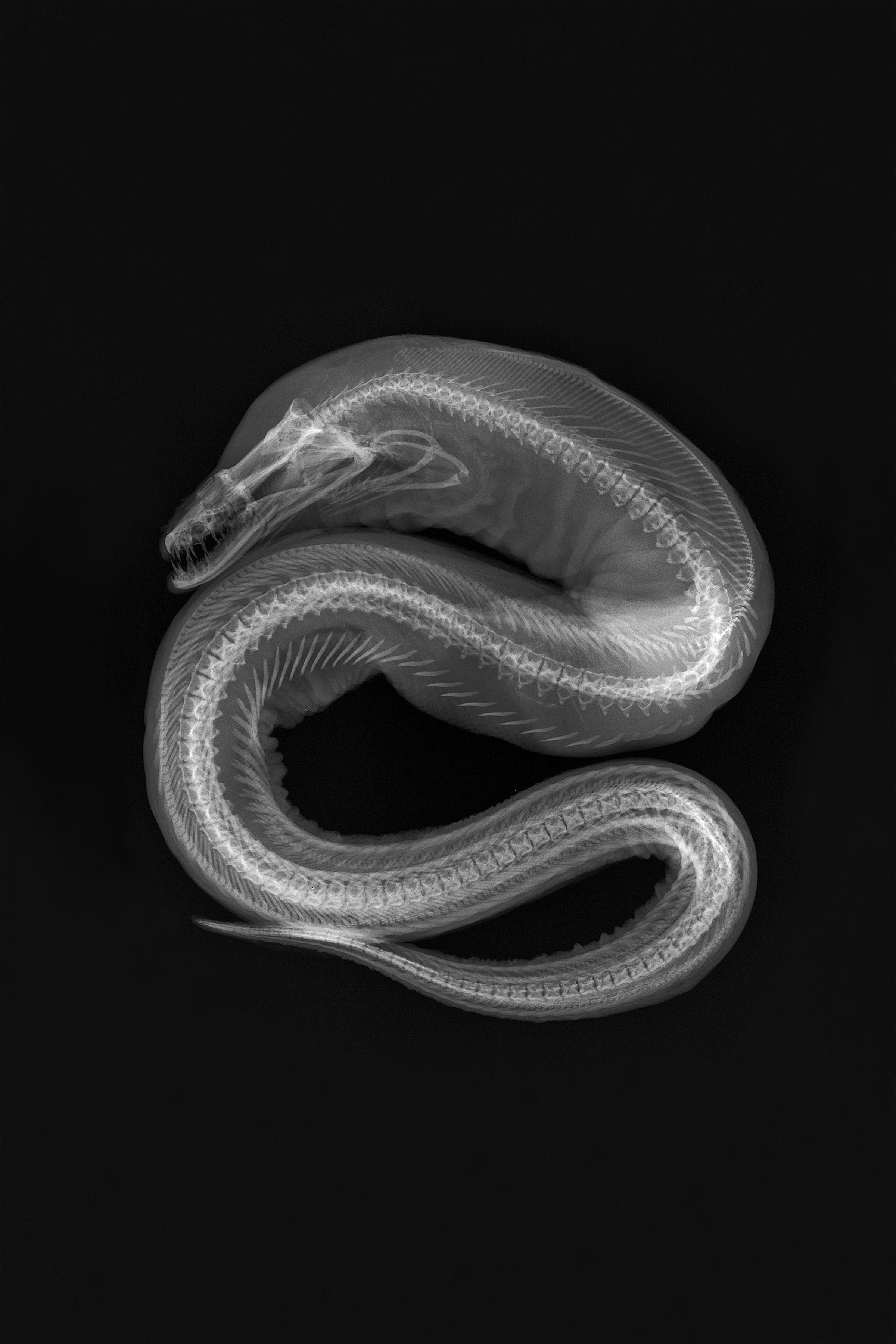
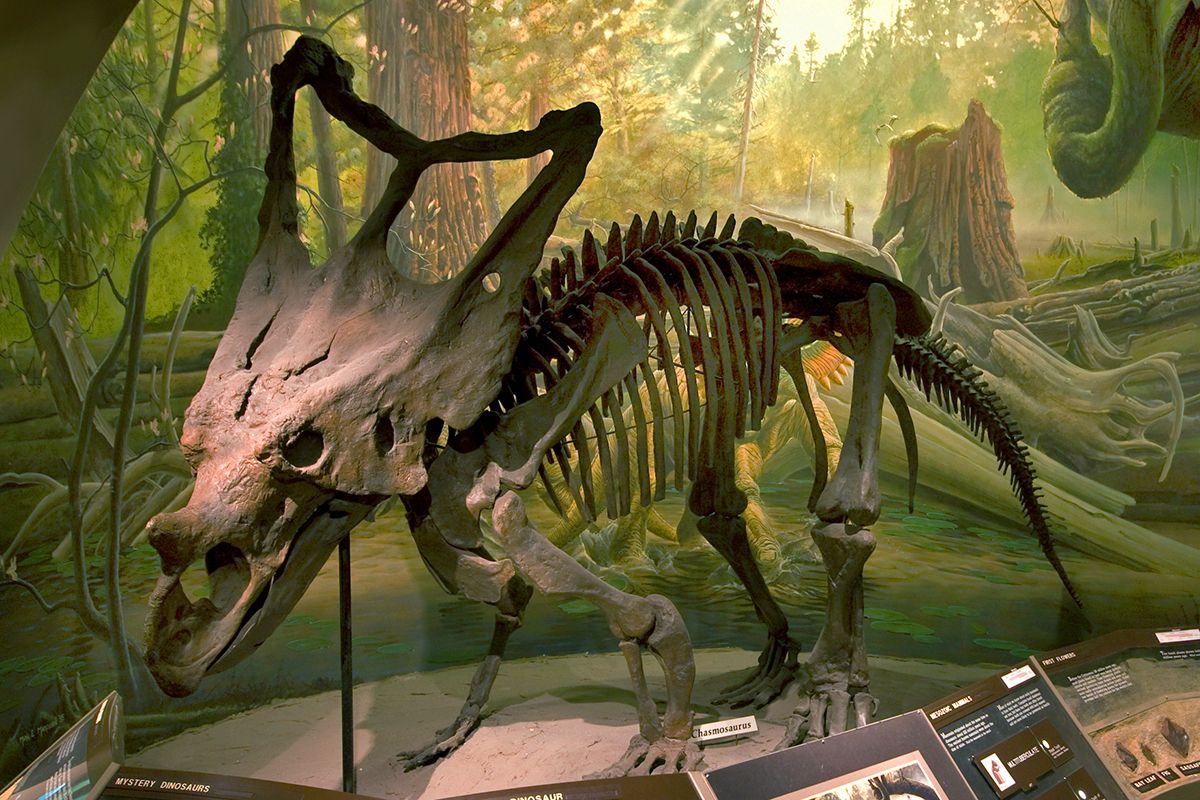
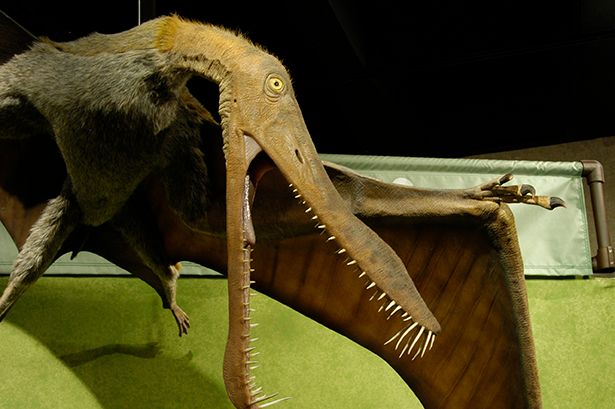
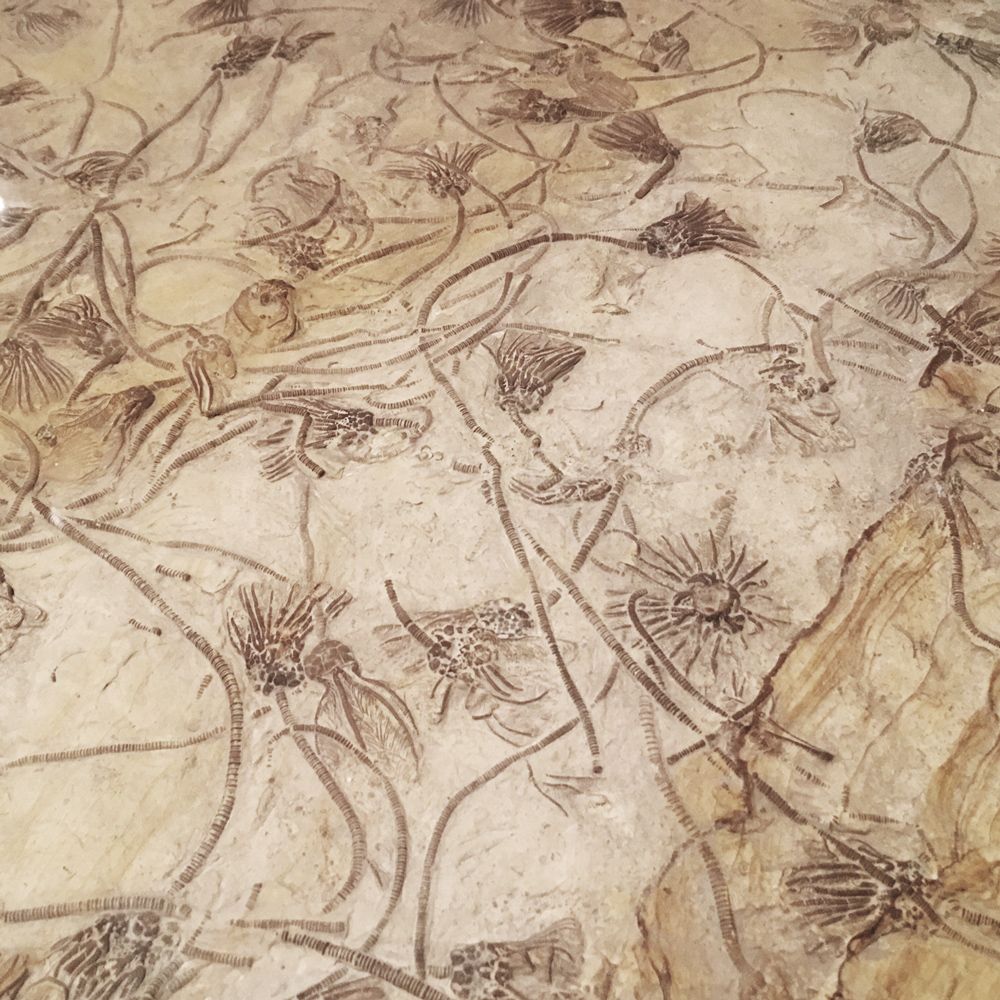
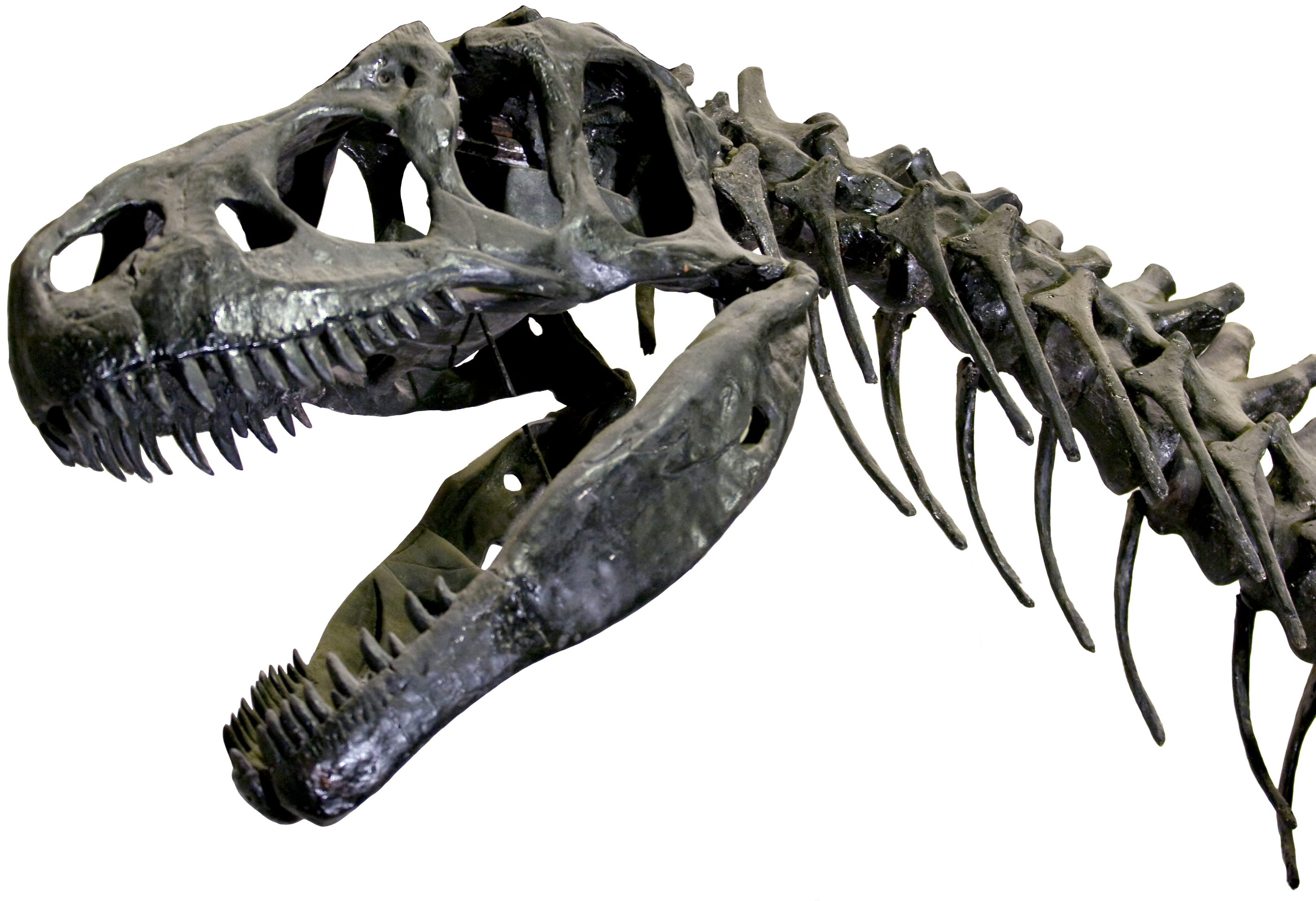
Bizarre Beasts JournalStar.com | Omaha.com This dramatic exhibit takes visitors on a journey back in time as they explore the evolutionary forces that caused some of Earth's most strange creatures to adapt to different environments. Interactive displays showcase cast skeletons and life-size models of natural oddities. The bizarre beasts include dinosaurs, armored fish, a giant flying reptile, an ancient helicoprion (fossil shark with teeth arranged in a spiral like a buzz saw), and much more. |
![]() |
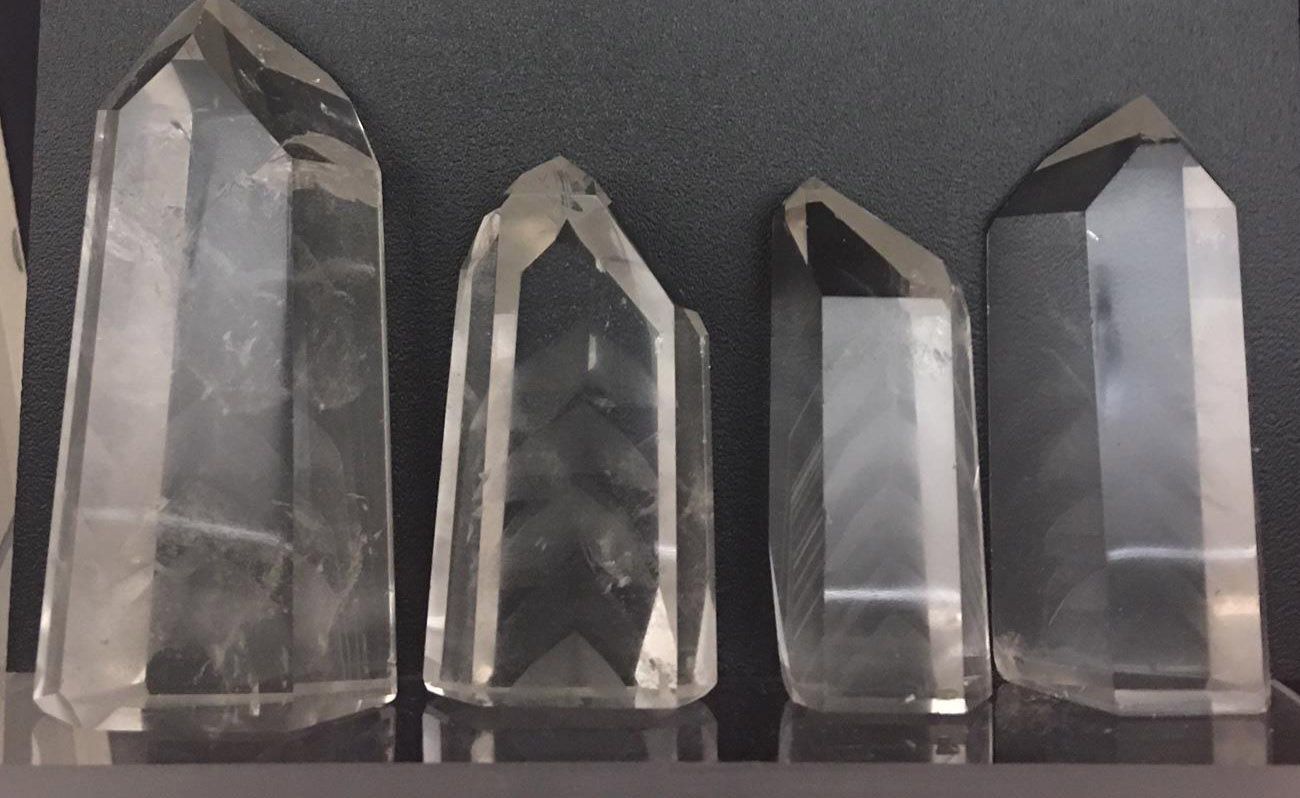
New temporary exhibit: Minerals and Meteorites Open through November 2013 More » | News release » See a spectacular display of Earth's minerals and meteorites from the collections of the UNL Department of Earth and Atmospheric Sciences, the Lincoln Gem and Mineral Club, as well as private donors. |
![]() |
First Peoples of the Plains: Traditions Shaped by Land & Sky More » | News release » Celebrate Native American cultures of the past and present by exploring their enduring traditions on the Great Plains. Along with the exhibit, see striking portraits of Native American children in traditional regalia by award-winning photographer Don Doll, S.J. |
![]() |
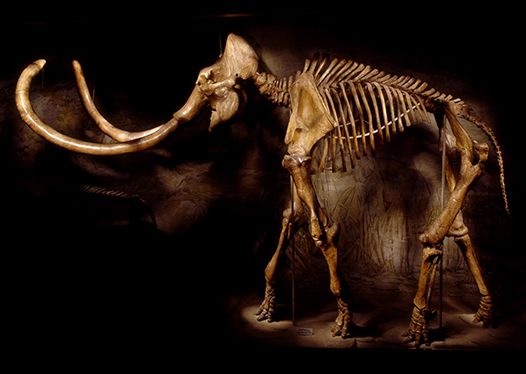
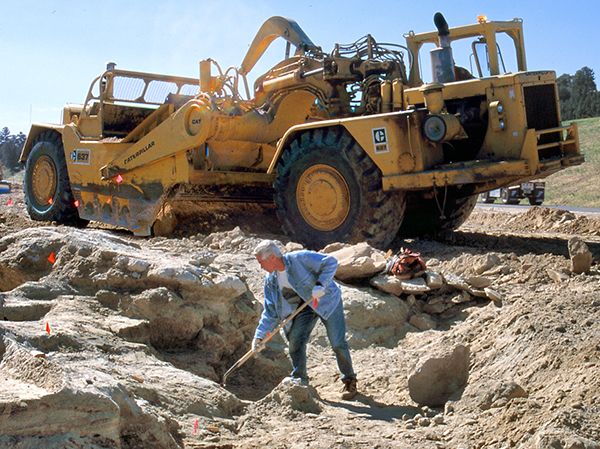
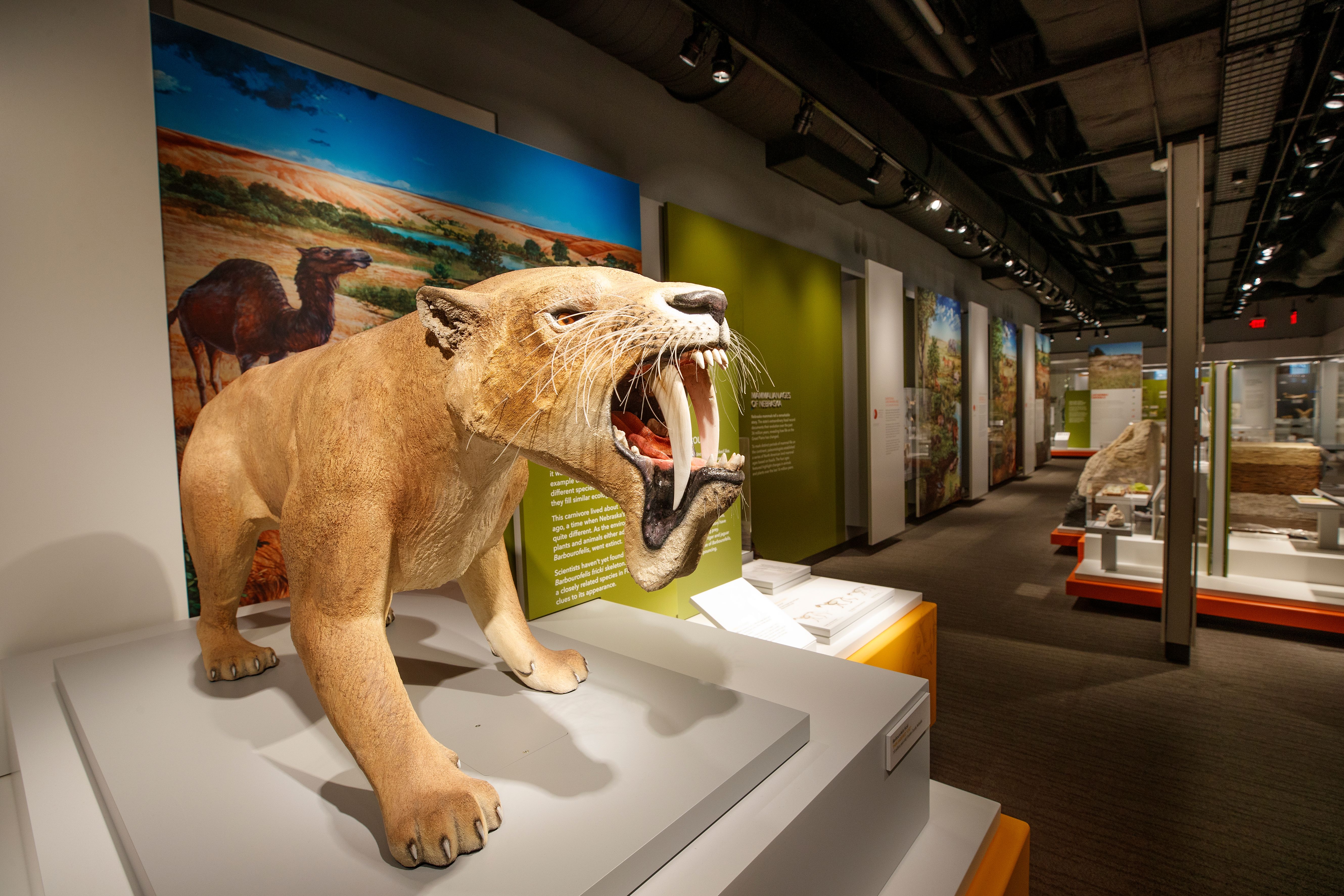
Highway Paleontology Program 50th Anniversary Exhibit Full text » | NewsNetNebraska Video » The Museum and Nebraska Department of Roads celebrate a unique partnership with a special exhibit highlighting spectacular fossil finds salvaged over the last five decades through Nebraska's Highway Paleontology Program, a collaborative effort between the state agencies. The exhibit features rare specimens, including the remains of a six-foot-tall flightless bird, a 40-foot-long plesiosaur, a lion 25 percent larger than the modern African lion, and a giant land tortoise. |
![]() |
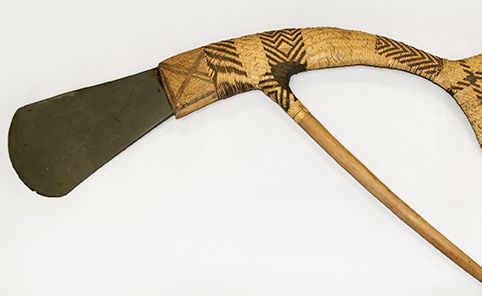
Weapons Throughout Time More » This popular exhibit has returned. It highlights objects from the museum's collection of hunting, fighting, and ceremonial weapons. From prehistoric stone arrow points used in the Great Plains to World War I firearms to African hunting spears used in the 20th century, explore the technology and cultural influences found in these weapons used throughout history and across world cultures. |
![]() |
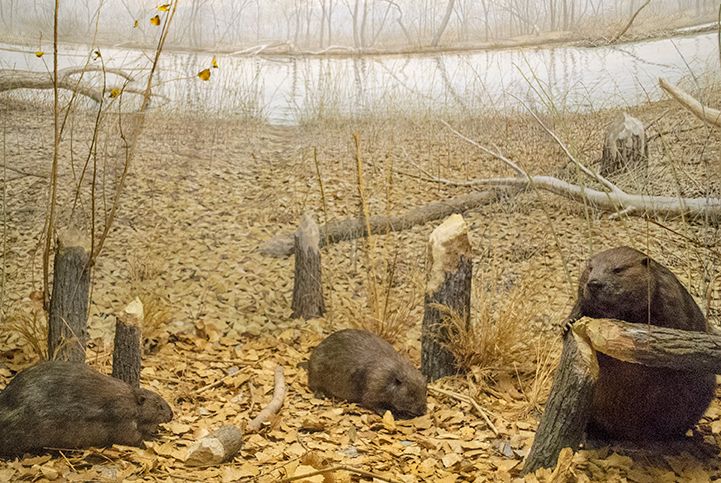
Mountain Lion installed in Hall of Nebraska Wildlife Read more » Morrill Hall's very first mountain lion has been installed in the Niobrara Diorama in the Hall of Nebraska Wildlife. Thanks to the devoted fundraising efforts of the Friends of the State Museum, the Museum was able to complete the first stage of renovation of the Niobrara Diorama. The new star of the scene, of course, is the mountain lion that was graciously transferred to the State Museum by the Nebraska Game and Parks Commission under the auspices of the Nebraska Mountain Lion Response Plan. |
![]() |
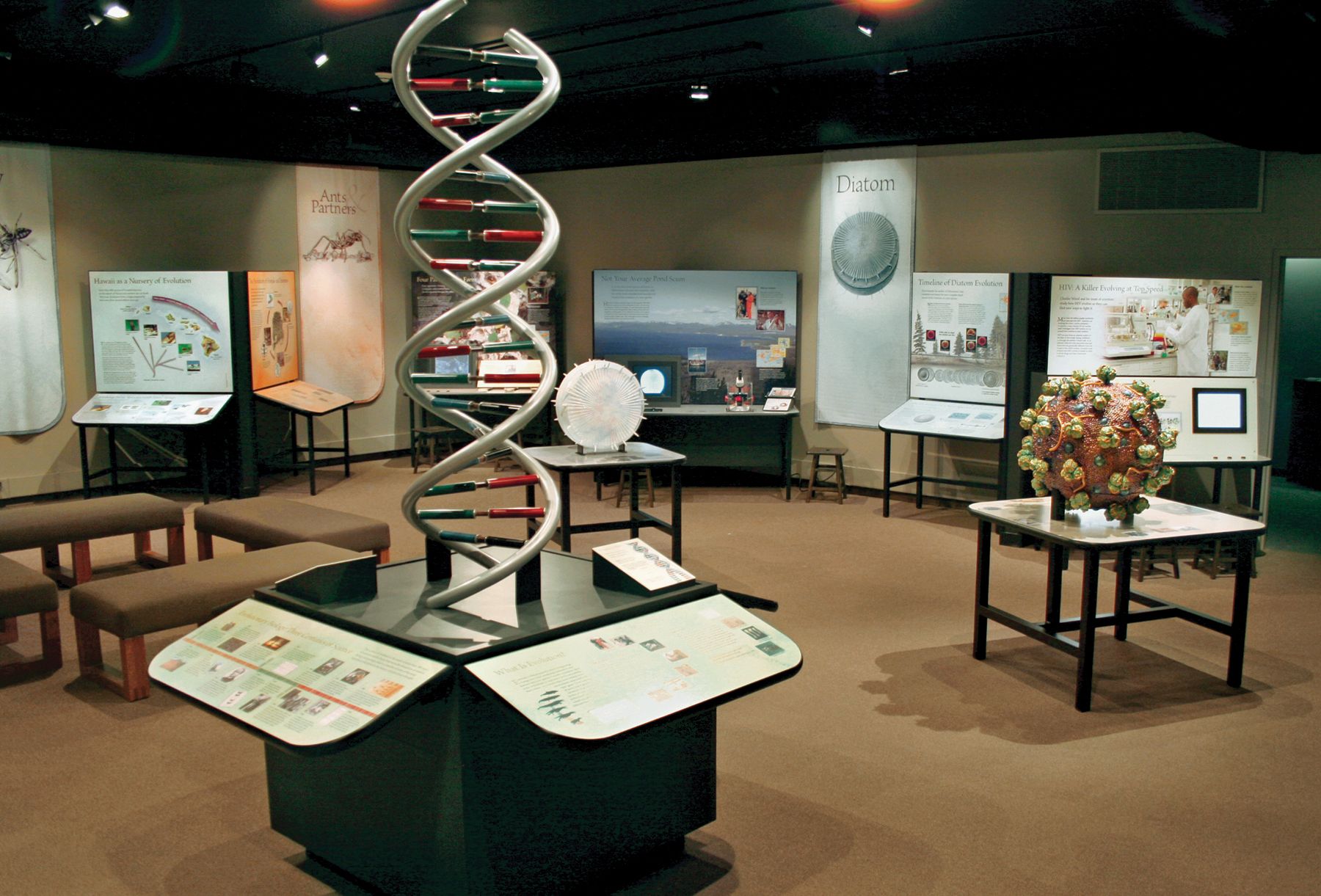
Explore Evolution Explore Evolution exhibit » | News release » Explore Evolution is a major new partnership forged between science museums and 4-H organizations to bring current research on evolution to the public. The project features the work of scientists who are making leading discoveries about the evolution of life. From rapidly evolving HIV to whales that walked, the public is invited to explore evolution in organisms ranging from the very smallest to the largest. |
News Releases | Publications | Museum Policies | Affiliated Museums | Search | Contact Us