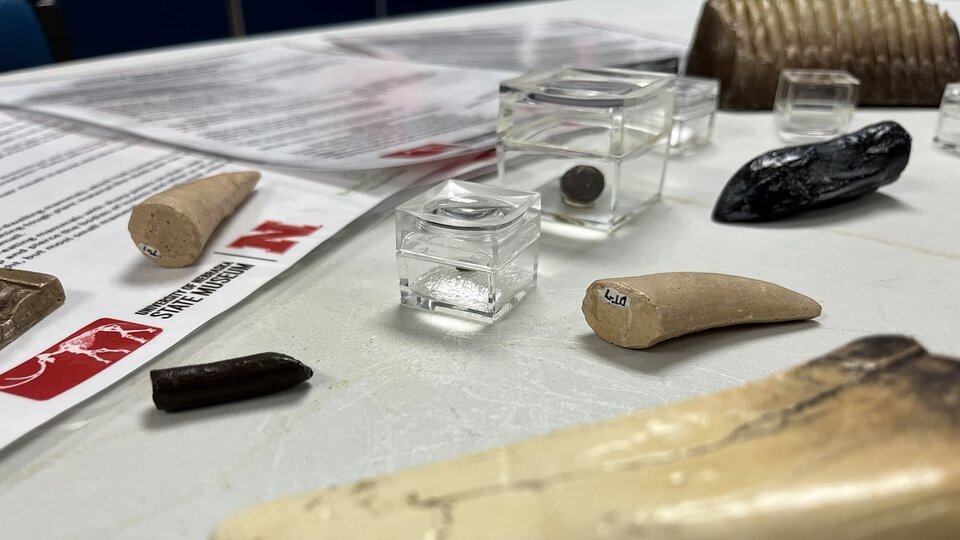
Bring the museum to your classroom! We offer two different styles of museum kids for hands-on learning. Each of our kits include an educator guide, activities, and specimens from the University of Nebraska State Museum’s collections.
Kit Prices and Policies
Encounter Science Kits
These are the larger kit options provided by UNSM. They include an educator's guide, specimens, and five fun activities for learning. Kit reservations must be made at least two weeks in advance. Prices subject to change.
| FEE: | $40.00/week + tax & return shipping* |
| Rental Duration | 1 week |
*Tax exempt organizations must provide a copy of their Form 13 for sales tax to be waived.
Shoebox Science Kits
These second kit type provided, shoebox science kits include small specimen collections with an activity guide. Kit reservations must be made at least two weeks in advance. Prices subject to change.
| FEE: | $20.00/week + tax & return shipping* |
| Rental Duration | 1 week |
*Tax exempt organizations must provide a copy of their Form 13 for sales tax to be waived.
Reservation Timeline
Museum Kits are reserved one week at a time. They may be reserved for multiple weeks for an additional cost and based on availability. Reservations required a minimum of 2 weeks in advance.
Late Policy
Kits retuned late to the Museum affect our ability to send them to the next customer on time. Please ensure that they are returned in person (during regular business hours) or shipped back to us by the ship/return date listed above. It is at our discretion to charge a late fee for kits not returned on time. A late fee will be assessed for each week the kit is late ($25 – Shoebox Kits; $45 – Encounter Kits).
Missing or Damaged Items
Please use care when utilizing kits in your classroom. Many items are costly, rare, and difficult to replace. We understand accidents happen and plan for normal wear and tear. It is at our discretion, based on the degree of missing or damaged items, to charge a minimum $100 replacement fee.
Payment Information
Cash, checks, or credit cards accepted.
Make checks payable to: University of Nebraska-Lincoln and write order number in memo line. Checks must be made for the exact amount to be accepted.
If picking up/dropping off at Morrill Hall (during normal business hours), payments can be made at the front desk.
Encounter Science Kits
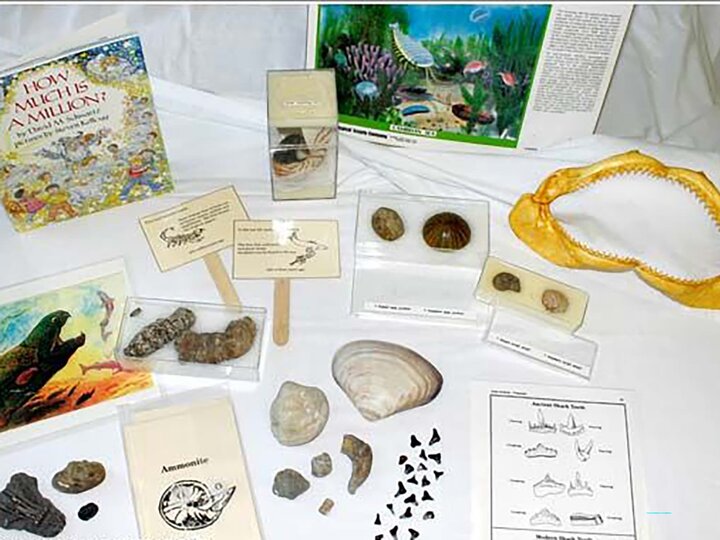
Ancient Sea Life
Grades 3-8
- Time Travel: Students learn how to read time charts and time lines, and get an overview of the major events that have occurred through geologic time.
- Meet the Sea Life: Students discover the types of animals that lived during the Paleozoic Era.
- Let's Sort it Out: Students discover the types of animals that lived during the Paleozoic Era.
- Jaws: Students understand that sharks lived in shallow seas that once covered Nebraska.
- Fossils & Their Living Kin: By making observations, students learn about some of the differences between the fossils of ancient sea animals and the shells of their present day relatives.
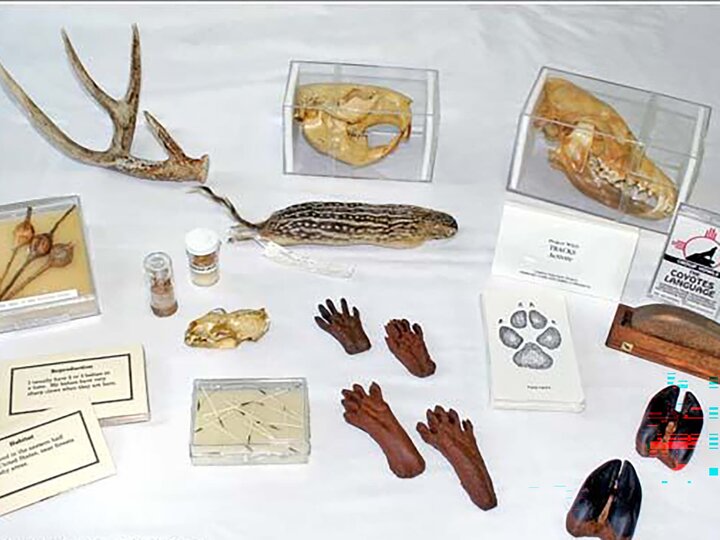
Animal Detective
Grades K-5
- The Case of Sensitive Sniffers: Students learn to follow a scent trail.
- The Case if the Curious Clues: Students examine evidence of animal life and attempt to identify it.
- the Case of the Tricky Tracks: Students learn the characteristics to look for when "reading" animal tracks.
- The Case of the Talking Skulls: Students learn to observe and "read" information from animal skulls as they make clay models of them.
- The Case of the Noisy Neighbors: Studnets learn animals can be identified by the sounds they make.
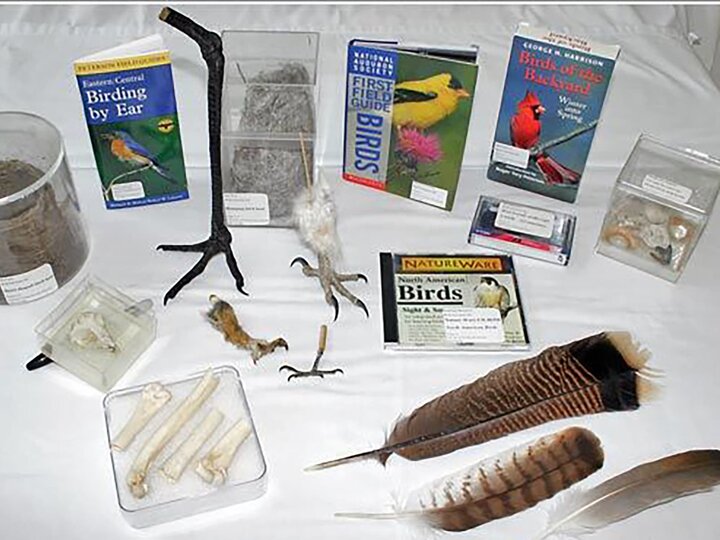
Birds
Grades 2 & 5
- Bird Identification: Students build a bird feeder to attract birds then observe, record, and identify the visiting bird types.
- Bird Behavior: Students provide a feeding station to observe and identify eating behaviors. They also identify birds by sounds and create methods to represent birdcalls and songs.
- Bird Nests: Students build bird nests using a wide range of materials. Students examine nests and observe which birds use the nests and in what environments they'd be found.
- Bird Migration: Students discover the Sandhill Cranes' migration path through the central flyway by using scientific data and mapping skills.
- Tracks and Traces: Students investigate the differences of wingbeats, beaks, and bird feet and why these adaptations allow for survival.
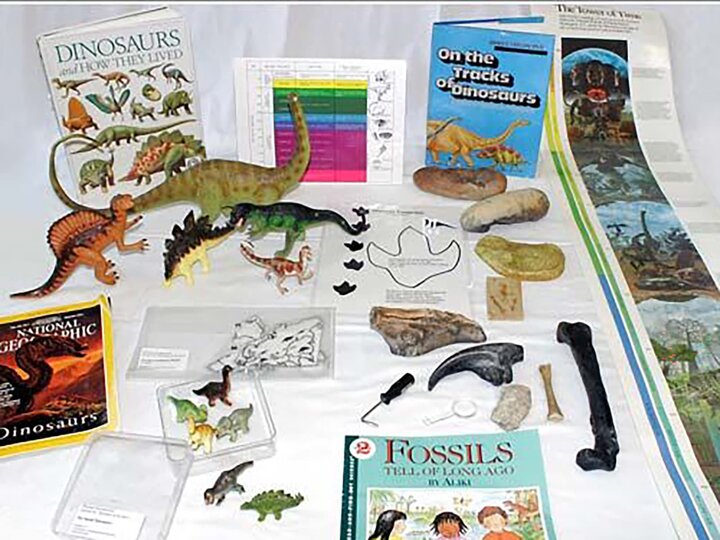
Dinosaurs
Grades K-5
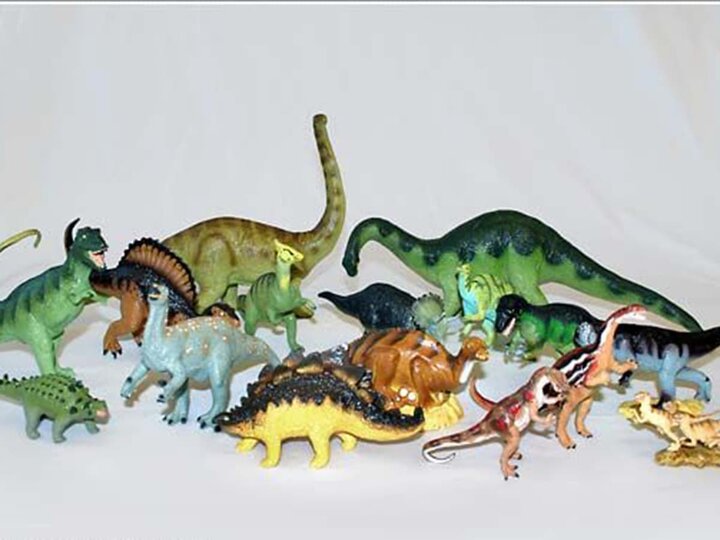
- Dinosaur Variation: Students investigate the variation among dinosaurs by developing different strategies for grouping them together. This activity introduces students to scientific terms and dinosaurs that are used throughout the kit.
- Dinosaurs on the Move: Students explore how scientists use the distribution of dinosaur fossils to understand the movements of the continents.
- Big Time Tour: Students explore the vast span of geologic time. First they consider big numbers, then take some guesses about important past events and locate them on an arm's length map of time.
- Digging for Dinosaurs: Students will practice excavation skills and train their eyes to distinguish dinosaur bone from rock.
- Tracks and Traces: Students explore dinosaur behavior by creating dinosaur track records.
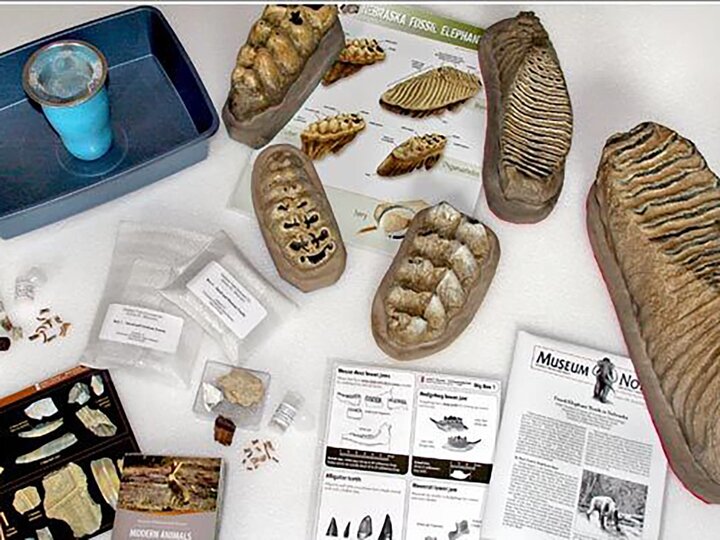
Elephant Trunk
Grades 4-5 & 6-8
- Discover Paleontology: Introduce the science of paleontology, the scientist, and the process of collecting fossils.
- Zap to the Past: Identify rock formations in Nebraska where fossil elephants have been found. Discover clues to past environments and geologic history in these rocks. Identify adaptations that allowed elephants to survive in different habitats. Explore the time periods when ancient elephants lived.
- What Big Teeth You Have: Compare and contrast the chewing surfaces of different types of elephant teeth and identify possible food sources. Discover how teeth and tusks grow throughout an elephant's life.
- Clash of the Mammoths: Investigate modern elephant behavior to interpret prehistoric elephants found in the fossil record.
- Cousins of Today: Introduce modern elephants and investigate their adaptations and habitats. Discover the factors that threaten elephant survival today.
Insect Investigations
Grades K-5
- Insect Adaptations: Students explore different types of insect features.
- Insect Variation: Students discover the many different kinds of insects and identify the eight common insect orders.
- Invent an Insect: Students investigate camouflage and mimicry.
- How Many Can There Bee: Students examine insects' biological success and estimate population numbers.
- Snug as a Bug: Students create and examine a number of insect homes.
Shoebox Science Kits
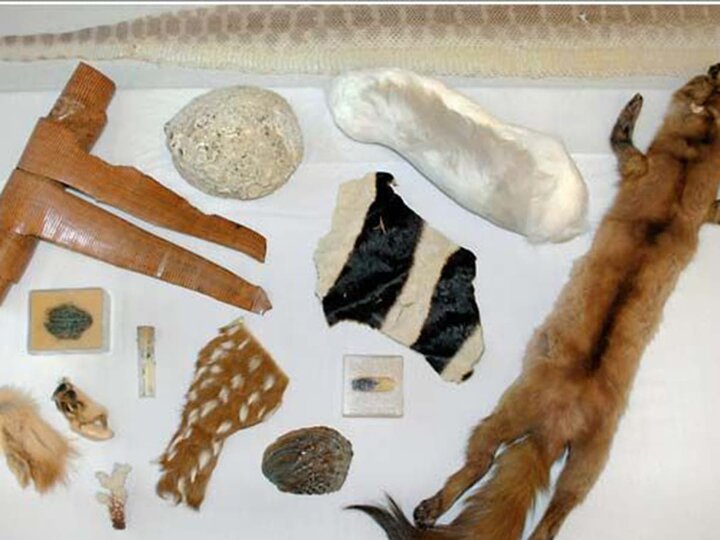
Animal Coverings Kit 1
Through five stations students will understand the structures (ex. feathers, fur, scales) and functions (ex. flight, warmth, protection) of animal body coverings. Includes: mollusk, coyote, deer, zebra, porcupine, snake, toad, and various feathers.
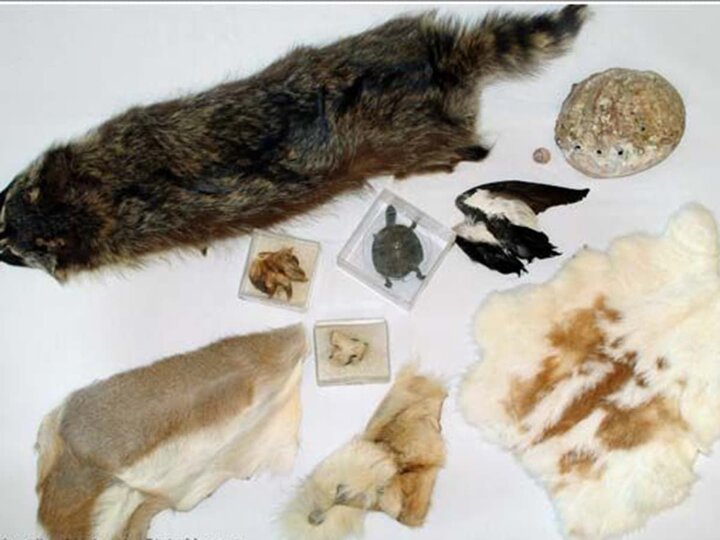
Animal Coverings Kit 2
Through five stations students will understand the structures (ex. feathers, fur, scales) and functions (ex. flight, warmth, protection) of animal body coverings. Includes: raccoon, rabbit, deer, coyote, beaver, duck, hawk, turtle and mollusk.
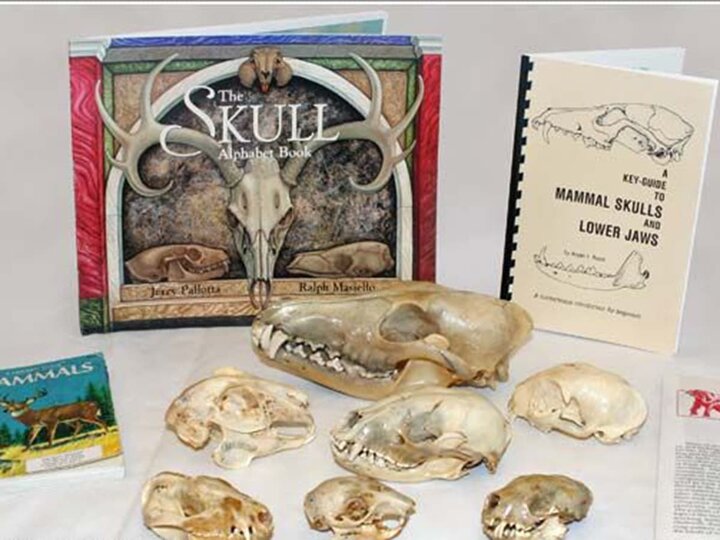
Animal Skulls
Explore various mammal skulls and learn how to identify a predator vs. a prey animal, nasal adaptations, and how to tell whether an animal is a carnivore, omnivore, or herbivore just by looking at their cranium.
Bird Nests
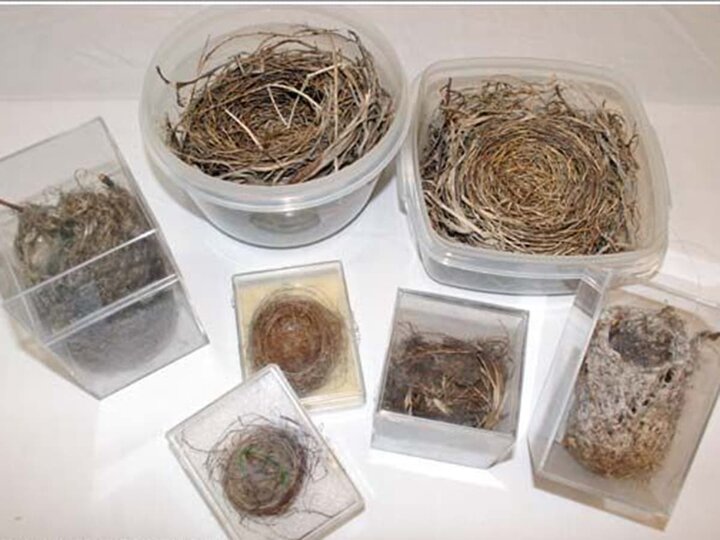
Bird nests and eggs, like birds, come in many different sizes and shapes. Nests are made of materials that are found nearby, so examining the shape and construction of a nest can tell you a lot about the bird’s environment.
Butterflies
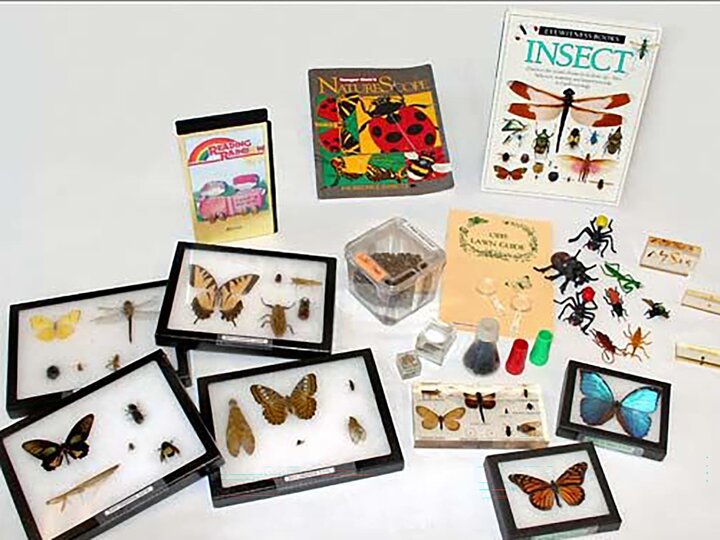
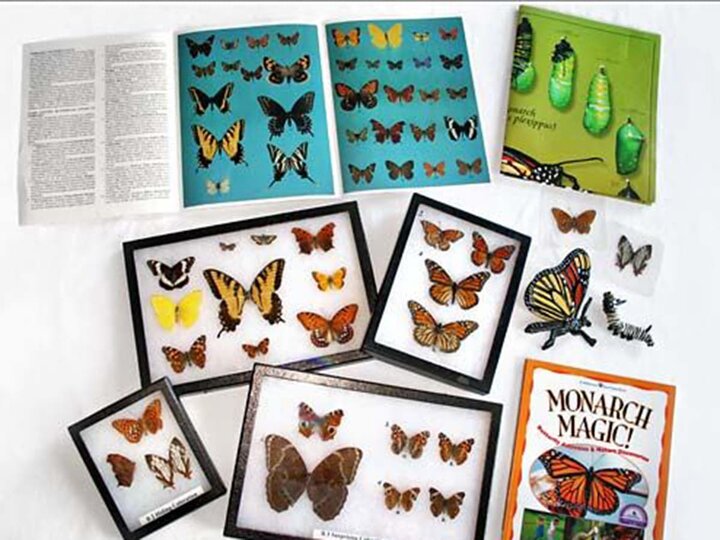
Through four stations students will explore hiding coloration, surprise coloration mimicry and insect life cycles.
Dinosaur & Ancient Teeth
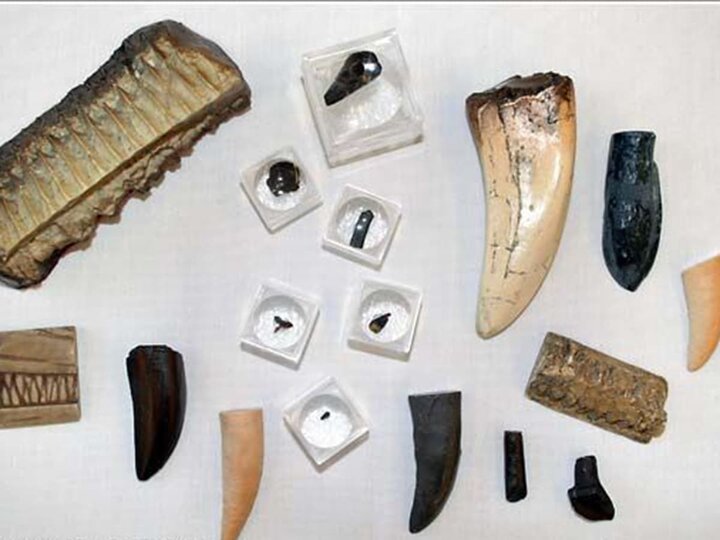
Examine fossilized teeth from ancient creatures to understand more about an animal: how old they are, their size, what type of food they eat and more.
Dinosaur Clues & Traces
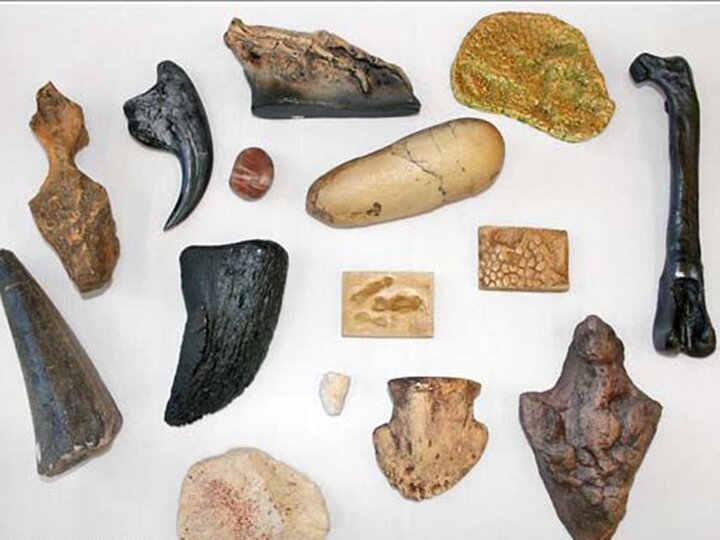
Fossilized bones and teeth can tell paleontologists about animals. Ancient life can also leave behind other fossil clues, like fossilized eggs, tracks and skin impressions. Students will examine both bones and traces to get a better understanding of animals from the past.
Dinosaur Variation
Investigate the variation among dinosaurs by developing different strategies for grouping them together. This activity introduces students to scientific terms and dinosaurs.
Fossil Mammals
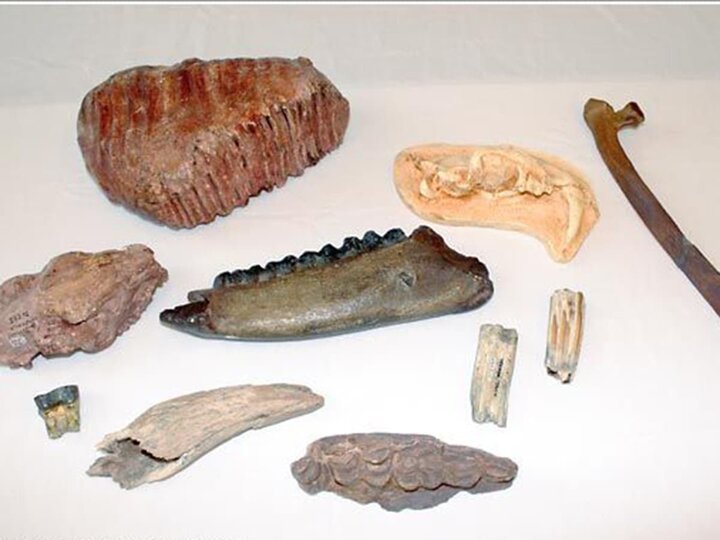
Through six stations, each with a fossil mammal from the past 35 million years, students can learn how Nebraska has changed through time.
Owls
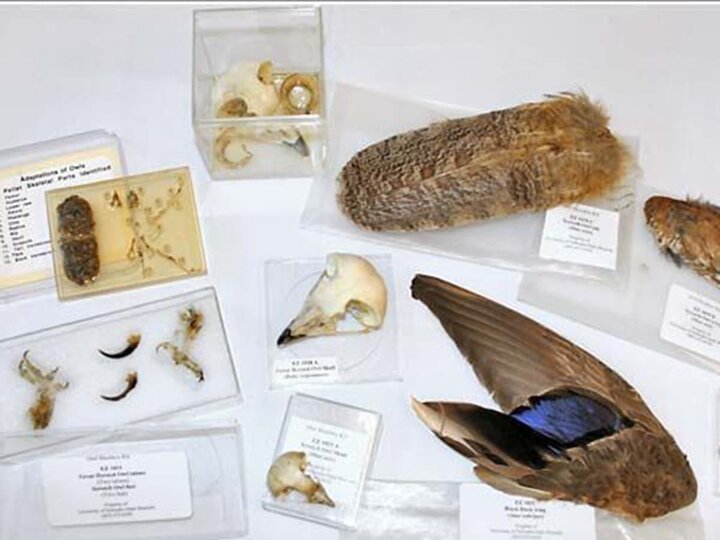
Owls have a highly developed sense of sight and hearing. They also have sharp beaks, talons and soft-edged feathers to help them fly silently. These characteristics help them fly at night. Students will explore these characteristics as they move through six stations.
Rocks & Minerals
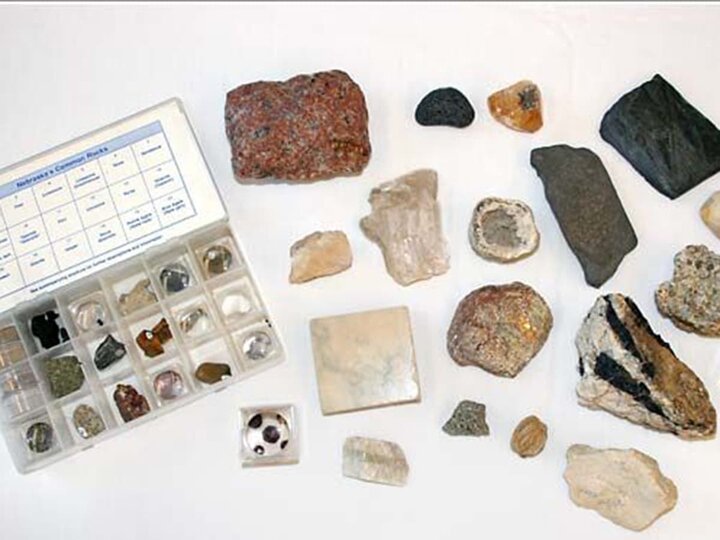
Rocks and minerals provide valuable clues about the Earth’s formation, systems, and the history of life on Earth. Scientists that study the Earth and its processes are called geologists. Students will think like a geologist as they examine rock and mineral specimens.
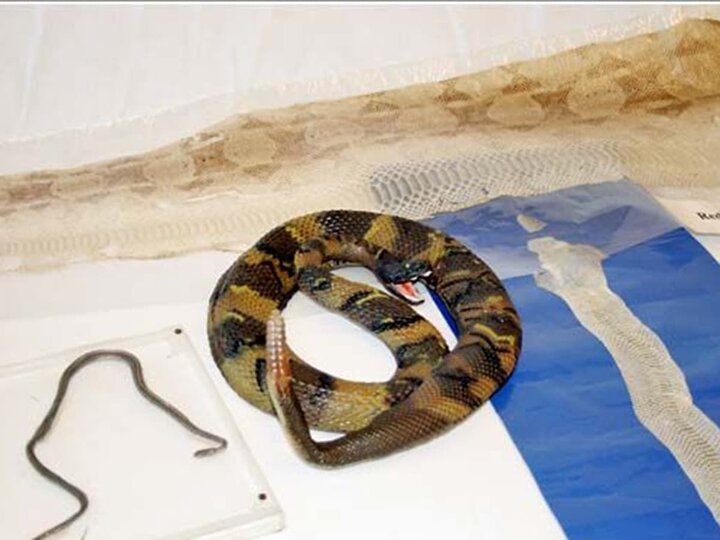
Snakes
An introduction to common Nebraska snakes, what they eat and their habitats.
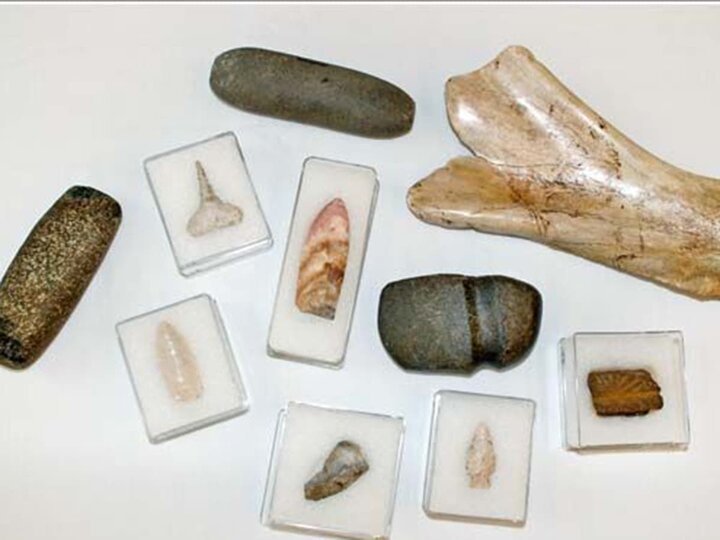
Tools of Early People
By examining ten tools’ students will discover the function of each tool and will get a better understanding of life on the Great Plains 500 to 8000 years ago.
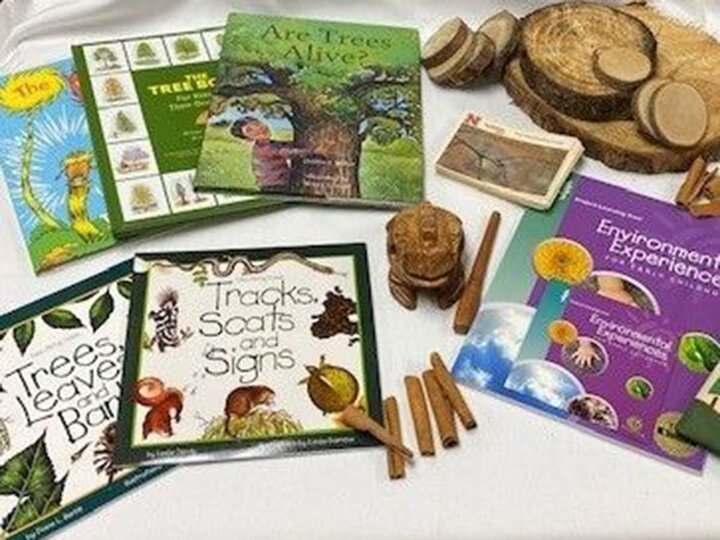
Tree Trunks
Through many activities students will explore a tree’s life, look at biological variation, discover why some trees are in trouble, and gain an understanding of the history of the Nebraska Forest Service.
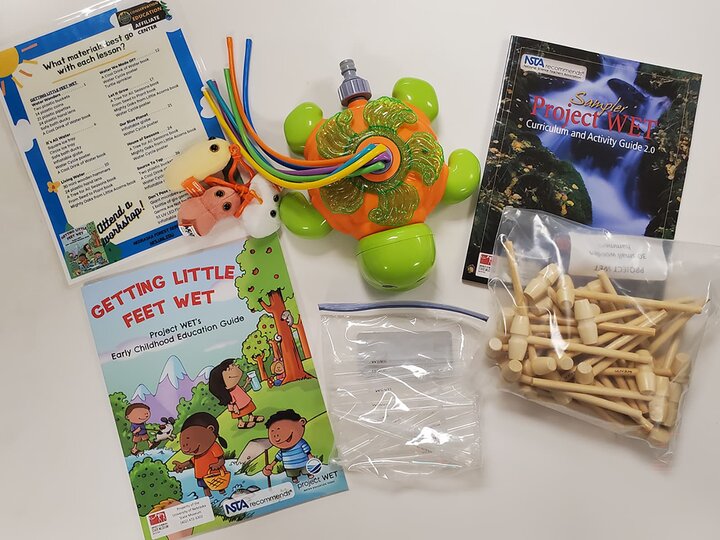
Water (Project Wet)
Through numerous activities and included booklets youth will explore watershed protection, discover the Missouri River, learn about ground water and the water cycle along with many other water-based ideas.