
University of Nebraska State Museum
Sparking interest in the natural world and preserving it for future generations
Established in 1871, the University of Nebraska State Museum is the state's premier museum of natural history with four unique sites: Research Collections, Morrill Hall in Lincoln, Ashfall Fossil Beds near Royal, and Trailside Museum near Crawford.
UNSM aspires to promote scientific understanding and public stewardship of the natural and cultural heritage of Nebraska through innovative exhibits and programs, conducting internationally recognized research, connecting K-12 students with science learning and STEM resources, and training the next generation of undergraduate and graduate students in biological and environmental processes.

Our Public Museum Sites
Morrill Hall
Located in Lincoln, Nebraska, Morrill Hall is home to four floors of hands-on fossil, science and world cultures exhibits. It's especially known for its paleontological exhibits, including the iconic Elephant Hall with a parade of mammoth and mastodon fossils through time. Visitors can also engage with collections staff preparing specimens in the Visible Lab.

Ashfall Fossil Beds
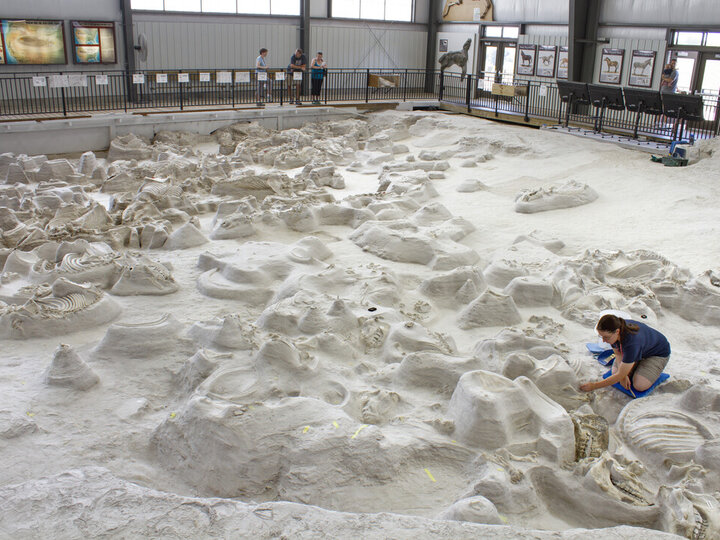
Located near Royal, Nebraska, this active dig site is home to an ancient watering hole preserving entire fossils of rhinos, camels, horses and more, in-situ for viewing. Come see why this National Natural Landmark is considered the "Pompeii of prehistoric animals." Visit with our researchers as they continue excavation. Hike the nature trails and compare today's creatures with those of the past.
Trailside Museum
Located inside Fort Robinson State Park near Crawford, Nebraska, Trailside Museum explores Nebraska's past and present through a variety of natural history exhibits. Come see the unique Clash of the Mammoths exhibit of two bull mammoth fossils who died with tusks locked in combat and were found just 13 miles from the museum. Young visitors can explore science in the Encounter Center.

Research Collections
As an active, University-based research museum, UNSM maintains over 13 million specimens, ethnographic and archeological objects across eight unique Research Collections. UNSM's Research Collections include: Anthropology, Botany, Entomology, Geology, Invertebrate Paleontology, Parasitology, Vertebrate Paleontology, and Zoology.
UNSM researchers and staff conduct collections-based research, field work, and continue to build the museum's collections. They also facilitate scientific access for researchers from across the globe, instruct and train undergraduate and graduate students, consult on public museum exhibits, participate in public programming with museum visitors and K-12 students.
Education
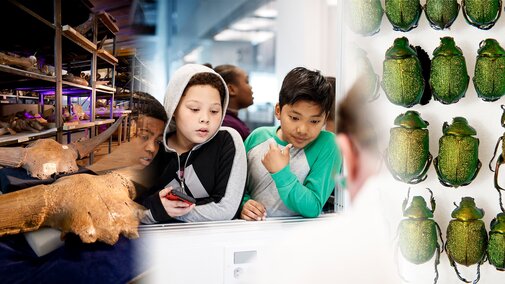
Our education programs are designed by educators, for educators, and are aligned with Nebraska College and Career Ready Standards for science and/or social studies.
On-Site Programs
Bring your classroom to one of our three public sites and explore the exhibits in-person.
- Self-guided field trips & group visits
- Educator led field trip programs
- Planetarium Shows (Morrill Hall)
Distance Learning
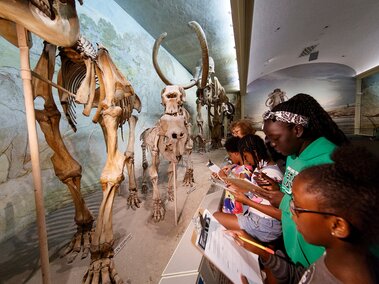
Bring our museum directly to your classroom with virtual programming and science activities.
- Virtual Field Trips
- Science Chat Specials
- Museum Kits
- Educator Resources

Support the Museum
Achieving our mission of sharing natural history with our communities is possible in large part thanks to the support of friends like you. Please consider volunteering or making a donation to support science learning.